Why Vinyl Siding Gets Dirty - and What to Do About It
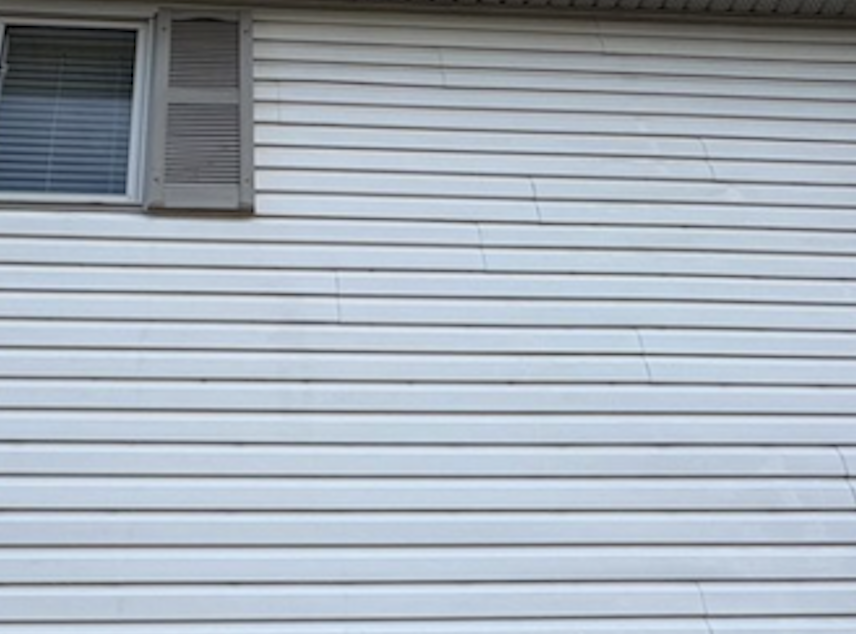
Vinyl siding is the most common exterior cladding on homes in the Niagara Region for good reason: it's durable, low-maintenance, and doesn't rot, peel, or require painting. But "low-maintenance" doesn't mean "no maintenance." Over time, vinyl siding accumulates a combination of airborne dirt, pollen, road grime, and - most significantly - biological growth that changes its appearance from bright and clean to dull, streaked, or visibly green. This biological growth is the most important reason to clean siding regularly, and understanding it helps explain why professional cleaning makes such a difference compared to DIY garden hose efforts.
Algae and mildew are the primary biological culprits on Niagara siding. Algae spores are airborne and ubiquitous - they land on every exterior surface and, given sufficient moisture and a surface to anchor to, begin to colonize. On vinyl siding, algae produces the distinctive dark green or black streaking that runs vertically down panels, following the path of rainwater. In shaded areas - particularly on north-facing walls and under overhanging trees - algae growth is dramatically accelerated because these surfaces retain moisture longer after rain and receive less UV radiation, which would otherwise inhibit growth. The same conditions that make certain sides of your home feel damp also make them ideal for algae proliferation.
The Niagara Humidity Factor
The Niagara Region's proximity to Lake Ontario and Lake Erie creates ambient humidity levels that are consistently higher than much of Ontario, particularly through spring, summer, and fall. This elevated humidity is the key driver of accelerated biological growth on exterior surfaces. Homes in communities adjacent to the Welland Canal - particularly in Welland and Thorold - experience even higher localized humidity from the canal's constant water surface. Properties in the agricultural areas around Pelham and Niagara-on-the-Lake deal with vineyard and orchard irrigation that raises local moisture levels through the growing season. In all of these environments, siding that might need cleaning every two to three years in a drier climate needs annual attention to stay ahead of biological growth.
Beyond visual appearance, algae and mildew growth on siding has practical consequences. Where biological growth is concentrated - particularly in the bottom channels of vinyl siding panels where debris and moisture collect - it creates an acidic microenvironment that degrades the siding's surface over time. Vinyl siding is designed to last 20–40 years; allowing biological growth to go untreated accelerates surface degradation and can void manufacturer warranties that require reasonable maintenance. Regular cleaning is not just cosmetic - it's part of what keeps vinyl siding performing as designed over its full intended lifespan.
Why Soft Wash - Not Pressure Wash - Is the Right Method for Siding
One of the most common mistakes homeowners make with siding cleaning is using a pressure washer. High-pressure water applied to vinyl siding can force water behind the panels into the wall cavity - the exact space where insulation and sheathing live. Water intrusion here causes mould growth in insulation and structural deterioration of the sheathing over time, and these problems are almost invisible until they're severe and expensive to remediate. High pressure can also damage the siding itself, cracking or denting panels and stripping paint from window trim and door frames adjacent to the siding surface.
Soft washing uses low pressure - comparable to a garden hose - combined with a professional-grade biodegradable cleaning solution that is applied to the siding surface, allowed to dwell for several minutes, and then rinsed thoroughly. The cleaning solution does the work: it kills algae, mildew, and other biological growth at the cellular level, dissolves atmospheric grime, and lifts oxidation. Because the organism is killed rather than physically blasted off, it does not regrow rapidly the way algae disturbed by pressure washing does. A professionally soft-washed home typically stays cleaner for one to two years before visible growth returns - compared to months for a pressure-washed surface.
Oxidation and Chalking on Older Vinyl and Aluminum Siding
On siding that is more than 10–15 years old, a phenomenon called oxidation (also called chalking) is common. The siding's colour appears faded and dull, and when you run your hand along its surface, you get a chalky residue on your fingers. This is UV-induced degradation of the colour pigments in the vinyl or the paint on aluminum siding - it's the siding aging. While oxidation cannot be fully reversed, professional cleaning with appropriate solutions restores much of the siding's original brightness and removes the chalk layer that makes old siding look so tired. Many homeowners who have planned to repaint or replace siding have been surprised by how much life a good professional clean reveals. Call (289) 302-9462 and we can give you an honest assessment of whether cleaning will satisfy your goals or whether the siding has passed the point where it makes sense.